
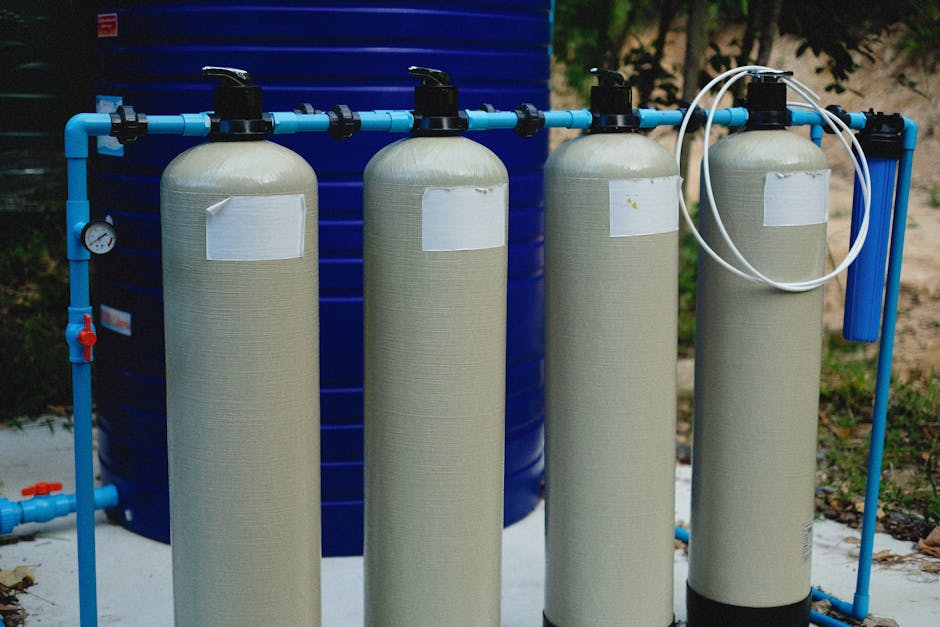
Water Purification Methods and Filtration Techniques Including Activated Carbon Filters
Understanding Water Purification Methods
Access to clean and safe drinking water is essential for health and well-being. There are several water purification methods available today that help remove contaminants and improve water quality. These methods range from basic filtration to advanced chemical treatments.
Common Water Filtration Techniques
Water filtration techniques are widely used to eliminate sediments, bacteria, chemicals, and other impurities. Some of the most popular techniques include:
- Basic mechanical filters: Remove debris and larger particles from water.
- Reverse osmosis: Uses semipermeable membranes to eliminate dissolved salts and other impurities.
- Ultraviolet (UV) purification: Uses UV light to inactivate bacteria and viruses.
- Activated carbon filters: Absorb chemicals, odors, and toxic compounds, enhancing water taste and safety.
The Role of Activated Carbon Filters
Among various water filtration techniques, activated carbon filters are particularly effective at removing organic compounds, chlorine, and unpleasant odors. These filters work by adsorbing impurities onto the surface of the carbon granules, providing a significant improvement in water quality.
Activated carbon filters are often used in household water pitchers, under-sink filtration systems, and large-scale water treatment plants. They are an economical and environmentally friendly choice for improving drinking water.
For more detailed information on different water purification options, visit our comprehensive guide to water purification methods and filtration techniques.
Choosing the Right Water Filtration System
When selecting a water filtration method, consider factors such as the target contaminants, flow rate, maintenance requirements, and cost. Combining multiple techniques can often yield the best results, ensuring safe and tasty drinking water for your household.